CALL NOW
+91 9567105825

+91 9567105825
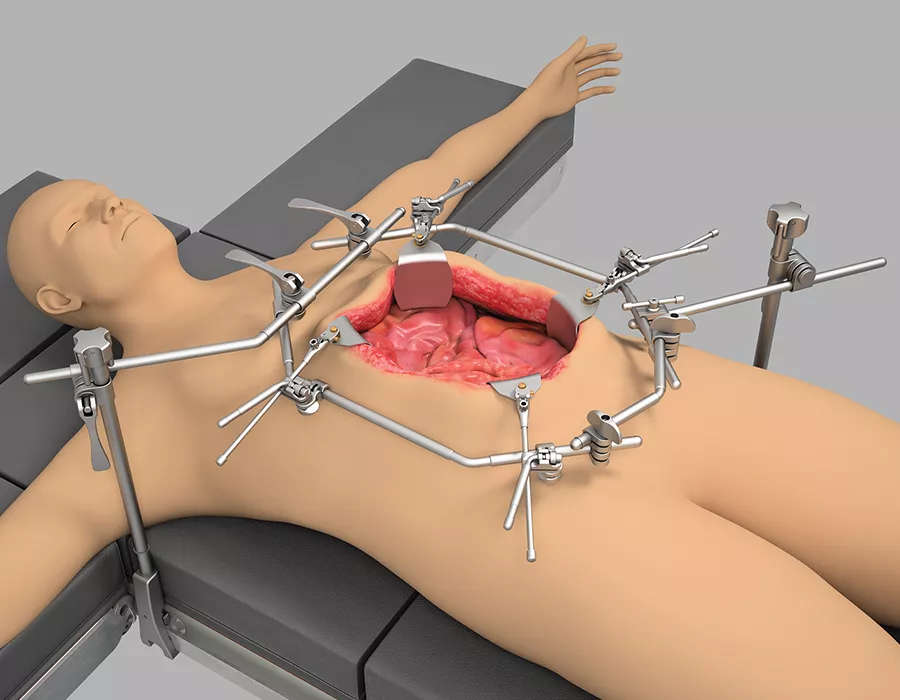
HIPEC stands for Hyperthermic Intraperitoneal Chemotherapy. It is a specialized treatment that combines surgery and chemotherapy to treat certain types of advanced or metastatic cancers that have spread to the peritoneal cavity, which is the abdominal cavity that contains organs such as the stomach, intestines, and ovaries.
During the HIPEC procedure, the surgeon first performs cytoreductive surgery, which involves removing visible tumor masses from the peritoneal cavity. This surgery aims to remove as much tumor tissue as possible. After the cytoreductive surgery, the abdominal cavity is then bathed with a heated chemotherapy solution.
The heated chemotherapy solution is infused into the peritoneal cavity, and the temperature is raised to around 41-43 degrees Celsius (105-109 degrees Fahrenheit). The chemotherapy solution is circulated within the abdomen for a specific period, typically ranging from 1 to 2 hours. The elevated temperature during HIPEC is thought to enhance the effectiveness of chemotherapy by improving drug penetration and increasing the sensitivity of cancer cells to the treatment.
The specific chemotherapy drugs used in HIPEC can vary, but commonly used agents include mitomycin C and cisplatin. The choice of drugs depends on the type and stage of cancer being treated, as well as the individual's overall health and tolerance.
HIPEC is a complex and specialized procedure that requires a multidisciplinary team, including surgical oncologists, anesthesiologists, and oncology nurses. The decision to undergo HIPEC is made on a case-by-case basis, considering various factors such as the extent of cancer spread, the location of tumors, the overall health status of the patient, and individualized treatment plans.
HIPEC is primarily used in the treatment of certain abdominal cancers, including peritoneal mesothelioma and advanced colorectal or ovarian cancers that have spread to the peritoneal cavity. It is often considered in cases where the cancer is confined to the abdomen and has not spread to distant organs.
Copyright © 2023, Dr. Sampada Dessai. All Rights Reserved.