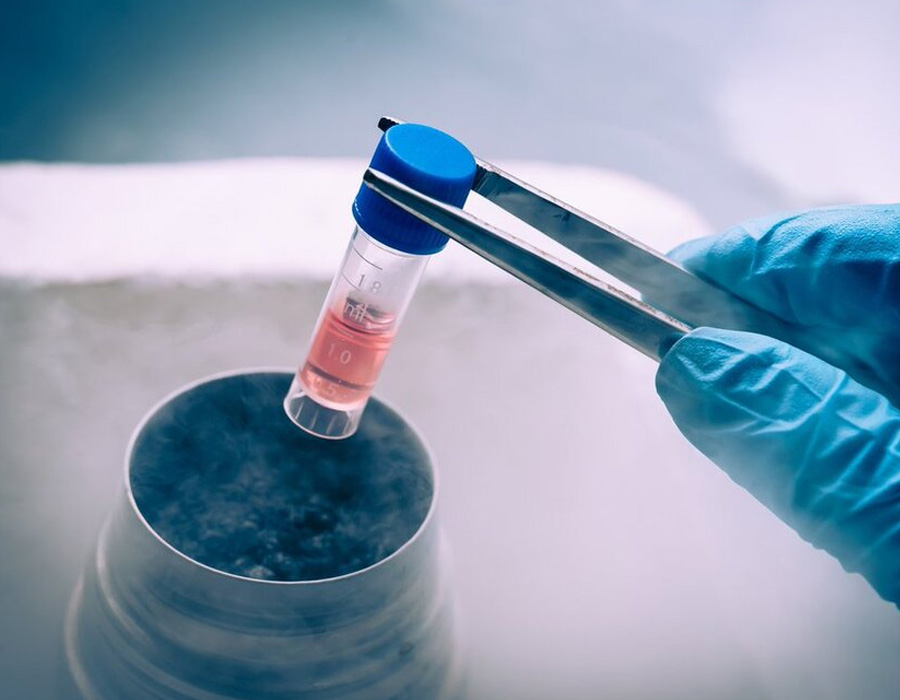
Fertility preservation refers to the techniques and procedures used to preserve a person's fertility for future use, particularly in situations where fertility may be compromised due to medical treatments or other factors. It allows individuals to have the option of having biological children later in life, even if they experience infertility.
- Cancer treatment: Fertility preservation is often considered for individuals who are undergoing treatments that may affect their fertility, such as chemotherapy, radiation therapy, or surgery for cancer. These treatments can potentially damage reproductive organs or harm the eggs, sperm, or embryos. Fertility preservation options are explored before cancer treatment begins to maximize the chances of preserving future fertility.
- Reproductive technologies: Various reproductive technologies are used for fertility preservation. These may include sperm cryopreservation, egg (oocyte) cryopreservation, embryo cryopreservation, and ovarian tissue cryopreservation. The choice of technique depends on factors such as the person's gender, age, and specific circumstances.
a. Sperm cryopreservation: Sperm can be collected and frozen for future use. This option is typically available to men and is a relatively simple and effective method.
b. Egg (oocyte) cryopreservation: Eggs are retrieved, frozen, and stored for later use. This option is commonly available to women, although the success rates of pregnancy using frozen eggs are generally lower compared to fresh eggs.
c. Embryo cryopreservation: Eggs are fertilized with sperm to create embryos, which are then frozen and stored for later use. This option is suitable for couples or individuals who have a partner and wish to preserve embryos together.
d. Ovarian tissue cryopreservation: In some cases, a small piece of ovarian tissue is surgically removed and frozen for future use. This technique is still considered experimental but may be an option for women who cannot undergo other forms of fertility preservation.
Non-medical reasons: Fertility preservation may also be considered for non-medical reasons, such as individuals who desire to delay childbearing due to personal or professional reasons. This is an option for women considering oocyte cryopreservation, also known as egg freezing.